
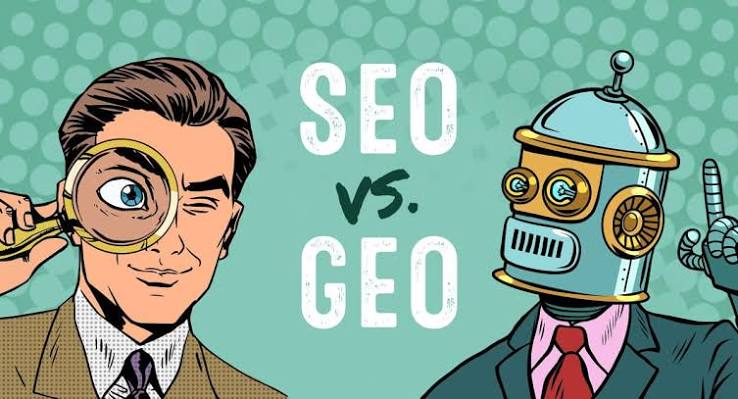
SEO vs GEO…What is the difference? Let’s find out.
Businesses usually uses Search engine optimization(SEO) to rank their businesses in search engines. This really helps a business to reach to their audience first through using good SEO techniques. But as the technology is in its dynamic form and showing changes rapidly. Their is rapid rise shown in the usage of AI powered search tools like ChatGPT, Claude, Gemini, etc. Which shows the shift of people towards AI powered search tools and creates a new optimization strategy which is Generative Engine Optimization (GEO).
The question many people and business owners asks that Should they invest in SEO or is GEO the future?
The answer is not like choosing which one is better but understanding both the terms can really help businesses stay visible in an AI-driven digital landscape also.
Let’s explore SEO vs GEO, their benefits, and which strategy deserves your attention in 2026.
What is SEO?
Search Engine Optimization (SEO) is the process of improving a website so that it ranks higher on search engines like Google and Bing.
The main and primary goal of SEO is to attract organic traffic which is only possible when your website is relevant, trustworthy, and user-friendly.
The steps involved in SEO practices, includes:
- Keyword research
- High-quality content creation
- Technical website optimization
- Mobile responsiveness
- Link building
- Improving page speed
- Optimizing user experience
For example, if someone searches for “best digital marketing agency,” Google displays websites that he believes will provide the most relevant and trustworthy information. SEO helps businesses appear among those top results.
Even in 2026, SEO remains one of the most effective long-term digital marketing strategies because millions of people still rely on traditional search engines every day.
What is GEO?
Generative Engine Optimization (GEO) is the process of optimizing content so that AI-powered search engines and AI tools reference, summarize, or recommend your content while answering user questions.
Unlike traditional search engines, AI don’t shows ten different results rather combine those who are relevant and significant and shows them together as one source.
Examples include:
- Google AI Overviews
- ChatGPT Search
- Perplexity AI
- Microsoft Copilot
- Gemini
Suppose someone asks:
“What are the best SEO strategies for small businesses?”
Instead of showing only website links, AI provides a summarized answer that may mention information from several trusted websites.
GEO aims to ensure that your content becomes one of those trusted sources.
SEO vs GEO: What’s the Difference?
| SEO | GEO |
|---|---|
| Focuses on ranking websites | Focuses on being cited by AI |
| Optimizes for search engine like google and Bing. | Optimizes for AI assistants and generative search |
| Relies heavily on keywords | Prioritizes context and authority |
| Goal is website clicks | Goal is visibility within AI-generated answers |
| Success measured through rankings and traffic | Success measured through AI mentions, citations, and brand visibility |
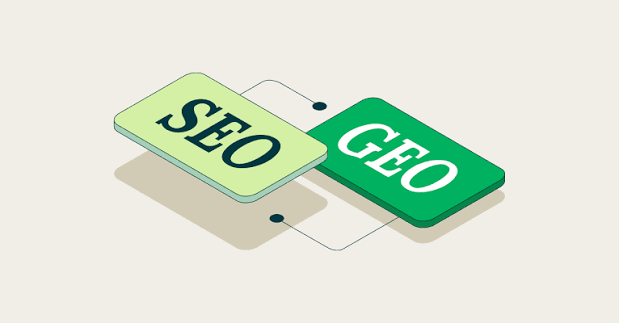
Although they have different objectives, but both the strategies ultimately aim to help users find trustworthy information. To know more, you can also visit GEO vs SEO.
Why GEO Matters in 2026?
AI-powered search is transforming how people consume information.
Instead of browsing multiple websites, users increasingly expect quick, conversational answers. AI delivers those answers instantly, reducing the number of traditional website visits.
This shift creates both opportunities and challenges.
Businesses that optimize only for traditional SEO may miss out on visibility in AI-generated responses, while businesses embracing GEO can establish themselves as authoritative sources in emerging search experiences.

The rise of conversational search means users ask longer, more natural questions like:
- Which CRM is best for startups?
- How can I improve local SEO in 2026?
- Is email marketing still effective?
AI systems favor content that provides clear, comprehensive, and trustworthy answers to these types of questions.
How to Optimize for GEO
1. Create Comprehensive Content
For SEO vs GEO, focus on detailed, valuable content instead of short posts. Comprehensive articles improve SEO in 2026 and increase your chances of appearing in AI-powered search results.
2. Write in a Conversational Style
Use natural language and answer real user questions. This improves both traditional SEO and AI Search Optimization, making your content more likely to appear in Google AI Overview.
3. Demonstrate Expertise
Share original insights, examples, and reliable information. High-quality content builds trust and supports Generative Engine Optimization (GEO) as well as traditional SEO.
4. Use Clear Headings
Organize your content with descriptive headings. A clear structure helps both search engines and AI understand your content, strengthening your SEO vs GEO strategy.
5. Add FAQs
Include FAQs that answer common user queries. They improve AI Search Optimization and increase your chances of appearing in Google AI Overview and featured snippets.
6. Build Topical Authority
Publish related content around your niche instead of isolated posts. Building authority on topics like SEO, content marketing, and social media boosts both SEO in 2026 and Generative Engine Optimization.
If you’re new to search optimization, read our Ultimate SEO strategies to understand the fundamentals before diving into GEO.
Should Businesses Focus on SEO or GEO?
The best SEO vs GEO strategy isn’t choosing one over the other—it’s combining both. Continue investing in technical SEO, keyword research, website performance, and quality backlinks while creating content optimized for Generative Engine Optimization (GEO) and AI-powered search. Think of SEO as helping people find your website, while GEO helps AI recommend it. Together, SEO vs GEO maximize your visibility across traditional search engines and AI-driven search experiences.
Conclusion
The digital marketing landscape in 2026 is no longer just about ranking on Google’s first page. AI-powered search has changed how users discover information, making Generative Engine Optimization (GEO) an essential addition to every marketer’s strategy.
However, this doesn’t mean abandoning SEO. Instead, businesses should view GEO as the next evolution of search optimization. A strong SEO foundation, combined with AI-friendly content, creates a future-ready strategy that reaches users wherever they search.
As AI continues to reshape the internet, brands that prioritize helpful, trustworthy, and user-focused content will be the ones that stay visible, competitive, and relevant. The future of search isn’t SEO or GEO—it’s SEO and GEO working together.
Want to stay ahead of evolving search trends? Discover how our Digital Marketing Services can help your business succeed with both SEO and GEO.